

RTA Outdoor Living Identifies Top Five Outdoor Kitchen Safety Mistakes
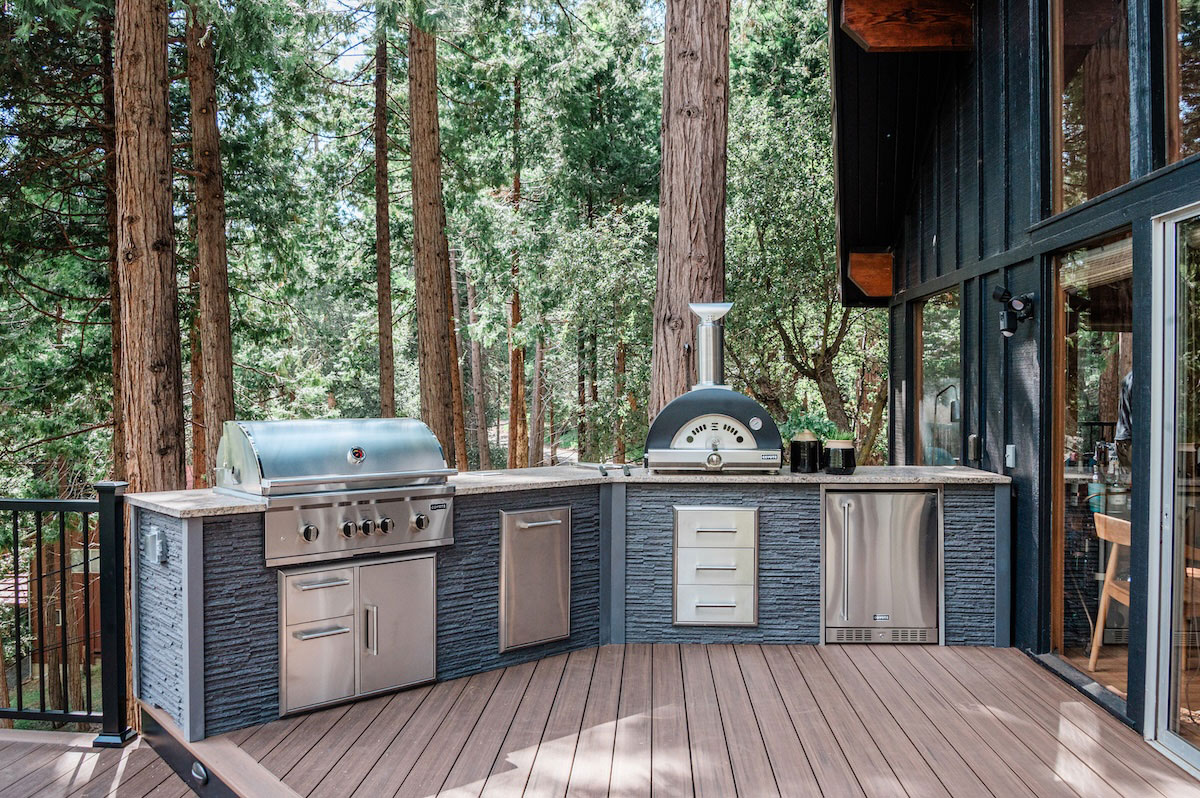
Outdoor kitchen safety advisory highlights common construction risks involving ventilation, combustible materials and structural support
The industry has expanded quickly, and the availability of reliable safety information didn’t keep up. Homeowners and even experienced contractors simply don’t know what they don’t know.”
GREENLAND, NH, UNITED STATES, May 19, 2026 /EINPresswire.com/ -- As millions of Americans prepare to use their outdoor kitchens for Memorial Day weekend, RTA Outdoor Living is warning homeowners about common construction mistakes that can create serious fire, gas and structural safety risks.— James King, VP of Design, RTA Outdoor Living
The outdoor kitchen market has grown substantially over the past decade, but construction practices have not always kept pace with safety requirements. After more than a decade consulting on outdoor kitchen projects nationwide, RTA Outdoor Living says construction flaws that may create safety risks appear routinely in work done by professional contractors and homeowners alike.
“The industry has expanded quickly, and the availability of reliable safety information simply didn’t keep up. Most of the problems we encounter aren’t intentional. Homeowners and even experienced contractors simply don’t know what they don’t know,” said James King, VP of Design, RTA Outdoor Living.
The Top Five Mistakes
1. Building with combustible framing materials
Wood studs and standard lumber are common choices for outdoor kitchen island framing, despite being classified as combustible materials under the International Building Code and National Fire Protection Association guidelines. Wood framing can ignite or spread fire when exposed to sustained heat from cooking appliances and can deteriorate over time from outdoor exposure, weakening the structural integrity of the entire island. Non-combustible alternatives like engineered concrete composite, steel or CMU block are the appropriate materials for this application.
2. Inadequate or absent island ventilation
Ventilation is the most overlooked safety feature in outdoor kitchen construction, and the consequences of getting it wrong can be severe. Propane gas is denser than air and sinks into enclosed island cavities when connections are loose or valves are not fully closed. Natural gas rises but accumulates in poorly vented spaces. A spark from the grill igniter in either scenario can trigger an explosion.
Most grill manufacturers require a minimum of 20 square inches of ventilation at both the top and bottom of each side of the island, with openings on the back, left and right sides to allow cross-ventilation. But many kitchens are built with far fewer vents than required.
3. Ignoring manufacturer setback requirements
Every major grill manufacturer specifies minimum clearance distances between the grill and surrounding surfaces, and these requirements apply to all four sides of the unit, not just the back. Kitchens built against combustible materials such as wood siding or fencing typically require 12 to 24 inches of clearance per the manufacturer's specifications.
RTA’s review of specifications across major grill brands found that setback requirements are frequently misread, ignored or unknown to the contractors performing the installation. Grease fires and heat damage to adjacent structures are among the documented consequences.
4. Installing on a structurally inadequate surface
A permanent outdoor kitchen with concrete panels, countertops and appliances can weigh several thousand pounds. Residential decks are rarely engineered to carry that load, and the stress is not always apparent during installation and it often doesn’t become visible until months later.
Concrete and paver patios without adequate footings can also settle unevenly, causing the island structure above to shift and crack. A structural assessment of any surface bearing the kitchen’s weight, particularly an elevated deck, is a necessary step before construction begins.
5. Using appliances not rated for built-in installation
Cart-model grills are designed for freestanding use and are not engineered for installation inside an enclosed island cavity. Built-in rated appliances account for the restricted airflow of an island enclosure; cart grills do not.
Modifying a cart grill for built-in use is a practice King describes as a safety error: “The ventilation requirements for a built-in appliance exist because the environment is fundamentally different. You cannot compensate for that with a workaround.”
RTA Outdoor Living, which is among the only outdoor kitchen manufacturers to offer a formal safety guarantee on its products, has created the RTA Outdoor Living Safety Resource Center, including a safety checklist, a complete safety guide, a webinar and related resources on their website. The guarantee is backed by the company’s use of non-combustible engineered concrete composite panels and ventilation specifications developed over more than a decade of field research and consultation with major grill manufacturers.
“We publish these resources for any homeowner, regardless of whether they work with us. The goal is to raise the baseline. Right now, there is very little freely available information to help homeowners ask the right questions before they build, and the risks of getting it wrong are real,” King said.
The free outdoor kitchen project safety checklist is available at rtaoutdoorliving.com/safety. It covers material selection, ventilation, setback requirements, structural load, appliance specifications and contractor vetting.
About RTA Outdoor Living
RTA Outdoor Living is a leading provider of custom prefab outdoor kitchen solutions, designed to make high-quality outdoor living accessible and easy to implement. With a focus on streamlined design, durable materials, and a digital-first, virtual approach, RTA helps homeowners create outdoor spaces that are both functional and built for everyday use. For more information, visit rtaoutdoorliving.com.
Mirjam Lippuner
Get Ink DIY
email us here
Visit us on social media:
LinkedIn
Instagram
Facebook
YouTube
Legal Disclaimer:
EIN Presswire provides this news content "as is" without warranty of any kind. We do not accept any responsibility or liability for the accuracy, content, images, videos, licenses, completeness, legality, or reliability of the information contained in this article. If you have any complaints or copyright issues related to this article, kindly contact the author above.
